
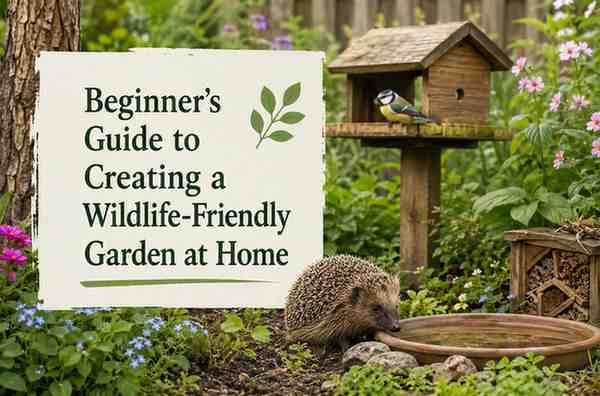
A flora and fauna-friendly lawn is extra than just a beautiful outside area. it is a safe and alluring surroundings for birds, butterflies, bees, frogs, and plenty of other living creatures. As cities grow and herbal habitats disappear, home gardens have come to be crucial places where natural world can live on and thrive.
the good information is which you do not need a massive outdoor or expensive equipment to help nature. Even a small balcony, patio, or corner lawn can guide nearby wildlife. with the aid of making some clever alternatives, you could turn your outside space right into a healthy mini-ecosystem that advantages each animals and people.
creating a natural world-friendly garden also has private rewards. you can experience colourful butterflies journeying your vegetation, birds singing inside the morning, or fireflies glowing at night time. those herbal reviews reduce pressure, improve intellectual well-being, and help families connect with nature.
This beginner’s guide will explain everything you want to recognise to construct a natural world-friendly garden at domestic. From selecting the proper plants to growing water assets and herbal shelters, you may research easy and realistic methods to guide biodiversity for your own space.
wildlife populations around the sector are facing extreme challenges. pollutants, weather alternate, deforestation, and urban development are destroying herbal habitats. Many species battle to locate food, water, and shelter.
domestic gardens can assist solve this problem by offering:
- safe resting areas
- herbal meals assets
- clean water
- Breeding areas
- protection from predators
whilst many human beings create natural world-friendly gardens, those areas shape related green corridors that help animals flow safely among regions.
Even small actions count number. A single flowering plant may additionally feed dozens of bees every day. A birdbath may additionally offer lifesaving water during hot climate.
Understand Your Nearby Flora and Fauna
before planting whatever, spend time staring at the flora and fauna already dwelling close to your property. one of a kind regions appeal to exclusive species.
for example:
- Bees and butterflies love nectar-rich flowers
- Birds need seeds, berries, and nesting spaces
- Frogs pick damp, shady areas
- Ladybugs assist manage harmful insects certainly
understanding your nearby surroundings facilitates you pick flora and functions that help local flora and fauna.
Easy Commentary Guidelines
- Watch which birds go to your region
- be aware bugs round nearby flora
- search for shaded and sunny areas in your garden
- study in which water certainly collects after rain
those observations help you layout a lawn that works with nature rather than in opposition to it.
Choose Native Plant Life
one of the most essential steps in creating a wildlife-friendly lawn is selecting native plant life.
local plant life certainly develop to your vicinity and have tailored to the neighborhood weather, soil, and flora and fauna over a few years. nearby birds, insects, and pollinators often rely upon those flora for survival.
Blessings of Local Vegetation
native plant life:
- need much less water
- Require fewer chemical substances
- grow higher in local conditions
- assist pollinators and birds
- enhance soil health
as an instance, local wildflowers often produce greater nectar for bees than imported ornamental flora.
Plant Range Is Vital
A healthy natural world garden consists of exceptional plant kinds including:
Bushes
timber offer:
- Nesting spots
- shade
- end result and seeds
- safe haven from climate
Shrubs
Shrubs offer:
- protection for small animals
- chicken nesting areas
- Seasonal berries
Vegetation
Flowering plants appeal to:
- Bees
- Butterflies
- Hummingbirds
- useful bugs
Floor Cover Vegetation
these plants help:
- defend soil
- save you erosion
- Create hiding locations for insects
A combination of plant heights and species creates a balanced habitat.
Create a Continuous Meals Supply
natural world needs food at some stage in the year, not just during spring.
Plan your lawn so exceptional plant life bloom in specific seasons.
Seasonal Planting Strategy
Spring
Plant flora wealthy in nectar for bees and butterflies emerging after winter.
Summer Season
grow colourful flowers and fruit-bearing plants for birds and insects.
Autumn
choose berry-producing shrubs and seed flora for migrating birds.
Iciness
go away seed heads and dried flowers status to offer meals and shelter.
This yr-round technique keeps flora and fauna returning for your lawn.
Add a Water Supply
Water is vital for natural world survival. Birds, bees, butterflies, and small mammals all want access to clean water.
You do not need a large pond to help wildlife.
Clean Water Functions for Beginners
Birdbath
A shallow birdbath is one of the handiest additions.
keep it:
- easy
- Shallow
- Refilled frequently
region small stones internal so insects can land safely.
Mini Pond
A small container pond can appeal to frogs, dragonflies, and birds.
Use:
- herbal stones
- Aquatic flowers
- Rainwater if viable
keep away from including fish to small flora and fauna ponds due to the fact they will consume insect larvae.
Water Dishes
Small bowls of water placed across the garden assist insects throughout warm weather.
Avoid Dangerous Chemicals
Many pesticides and herbicides kill useful insects in conjunction with pests. chemicals also can damage birds, frogs, and soil organisms.
A flora and fauna-friendly lawn must consciousness on herbal balance in place of chemical control.
Herbal Pest Control Techniques
Inspire Beneficial Insects
Ladybugs, spiders, and lacewings evidently manipulate dangerous pests.
Use Partner Planting
some vegetation protect others naturally.
as an instance:
- Marigolds may also repel dangerous insects
- Basil can assist shield tomatoes
Hand Elimination
For small gardens, eliminating pests through hand is often enough.
Healthful Soil
robust flowers developing in healthy soil withstand illnesses higher.
lowering chemical use protects pollinators like bees, which might be critical for food production international.
Build Herbal Shelters for Wildlife
Wild animals need secure locations to cover, rest, and raise their younger.
modern-day gardens are regularly too neat and tidy to guide wildlife. Leaving some areas barely wild could make a big difference.
Shelter Ideas for Wildlife
Log Piles
antique logs appeal to:
- Beetles
- Frogs
- Hedgehogs
- Fungi
Leaf Piles
Dry leaves provide warm temperature and protection for bugs all through colder months.
Dense Shrubs
Birds use shrubs for nesting and hiding from predators.
Birdhouses
distinctive fowl species opt for distinct nest field sizes.
place birdhouses:
- far from strong wind
- excessive enough for safety
- In quiet regions
Insect Resorts
those structures provide nesting spots for solitary bees and beneficial insects.
you may even build one the usage of bamboo sticks, wooden portions, and bricks.
Help Pollinators
Pollinators are important for wholesome ecosystems and meals manufacturing. Bees, butterflies, moths, and different pollinators help plant life reproduce.
with out pollinators, many end result and greens would disappear.
A Way to Attract Pollinators
Plant Vibrant Vegetation
Pollinators love colourful flowers inclusive of:
- purple
- Yellow
- Blue
- White
Pick Out Nectar-Wealthy Flora
plants with strong scents and open plants entice extra insects.
Avoid Double-Petal Vegetation
a few ornamental flowers include little nectar and are hard for insects to get right of entry to.
Plant in Agencies
huge groups of the equal flower are easier for pollinators to find.
Encompass Night Time-Blooming Vegetation
night time flora entice moths and nighttime pollinators.
supporting pollinators will increase the health and beauty of your entire garden.
Create a Secure Surroundings for Birds
Birds are essential for pest manage, pollination, and seed spreading. A fowl-friendly garden speedy turns into greater energetic and enjoyable.
Chook-Friendly Gardening Tips
Offer Herbal Food
develop:
- Sunflowers
- Berry bushes
- Seed-producing flora
Provide Clean Water
Birds need water for drinking and bathing.
Avoid Plastic Netting
Birds can emerge as trapped in loose garden netting.
Preserve Cats Controlled
home cats are primary predators of birds.
If viable:
- keep cats indoors during peak chook pastime
- upload bells to collars
Lessen Window Collisions
chook-secure window stickers help prevent accidents.
Small changes can save many hen lives every 12 months.
Make Your Garden Weather-Friendly
wildlife-pleasant gardens additionally help the environment.
plant life take in carbon dioxide, reduce warmth, and enhance air high-quality. Gardens can also reduce flooding through enhancing rainwater absorption.
Eco-Friendly Gardening Practices
Accumulate Rainwater
Rain barrels lessen water waste.
Compost Kitchen Waste
Compost improves soil naturally and reduces landfill waste.
Use Mulch
Mulch:
- maintains soil moist
- Reduces weeds
- supports soil organisms
Lessen Garden Size
big lawns provide little gain for natural world.
changing a few grass with flowers or shrubs will increase biodiversity.
Flora and Fauna Gardening for Small Areas
You do not need a large backyard to help wildlife.
Balconies, rooftops, patios, and tiny urban gardens can all aid nature.
Thoughts for Small Natural World Gardens
Use Containers
develop flowering plant life in pots and bins.
Upload Vertical Gardens
Wall planters keep area while assisting pollinators.
Hang Bird Feeders
Small feeders attract birds even in cities.
Create Window Packing Containers
Window flora can help bees and butterflies.
Use Multi-Motive Flowers
pick out plant life that provide each splendor and meals for flora and fauna.
Even a few vegetation can come to be an essential refuge in crowded urban areas.
Not Unusual Mistakes Novices Ought to Avoid
Many beginners accidentally create gardens that look herbal however do not without a doubt guide flora and fauna.
Errors to Keep Away From
The Use of Too Many Chemical Compounds
Chemical insecticides damage beneficial species.
Choosing Best Decorative Flora
a few decorative vegetation provide little nectar or meals.
Preserving the Garden Too Smooth
natural world needs leaves, branches, and herbal hiding places.
Ignoring Water Sources
Animals want water every day.
Planting Invasive Species
Invasive vegetation can harm local ecosystems.
getting to know from these mistakes helps create a healthier and extra balanced garden.
Actual-Global Example of a Natural World-Friendly Garden
imagine a small suburban outside with:
- native flowering plant life
- A shallow birdbath
- Berry-producing shrubs
- A small compost corner
- Logs stacked near a fence
- Wildflowers growing naturally
inside months, the garden begins attracting:
- Butterflies
- Honeybees
- Songbirds
- Dragonflies
- Ladybugs
The home owner notices fewer harmful pests because beneficial bugs obviously manipulate them. Birds start nesting nearby, and the lawn turns into extra colourful and non violent.
this example suggests that even simple adjustments can create major environmental benefits.
End
developing a natural world-friendly lawn at domestic is one of the easiest and maximum profitable ways to assist nature. You do no longer want expert gardening abilities or a big budget to make a distinction.
via planting local species, providing water, averting dangerous chemicals, and developing safe shelters, you could rework your outside space into a thriving habitat for wildlife.
every flower planted for bees, each birdbath filled with water, and every natural nook left untouched contributes to a more fit planet.
flora and fauna gardening isn’t always about creating a great-looking area. it’s miles about constructing a dwelling surroundings where human beings and nature can develop collectively.
begin small, stay patient, and experience the process. over the years, your lawn turns into packed with lifestyles, motion, and herbal beauty.
Often Asked Questions (FAQ)
1. What Is a Flora and Fauna-pleasant Lawn?
A flora and fauna-friendly lawn is an outdoor area designed to aid birds, bees, butterflies, bugs, and different animals by providing food, water, refuge, and secure habitats.
2. Am I Able to Create a Natural World Garden in a Small Space?
sure. Balconies, patios, rooftops, and window containers can all help flora and fauna the use of container flora, fowl feeders, and small water assets.
3. Which Flora Are Excellent for Attracting Pollinators?
local flowering plants with sturdy nectar resources are high-quality. Lavender, sunflowers, wildflowers, and flowering herbs are famous alternatives.
4. Why Must I Avoid Pesticides in My Lawn?
insecticides can kill useful bugs which include bees and ladybugs, disrupt natural ecosystems, and damage birds and soil organisms.
5. How Lengthy Does It Take for Wildlife to Visit a New Lawn?
some bugs and birds can also arrive inside days or weeks, while larger natural world habitats may additionally take numerous months to broaden fully.