
advent
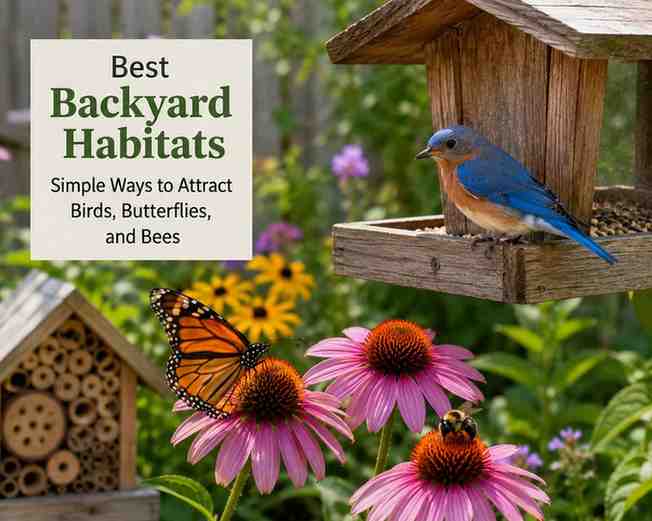
A wholesome backyard can be a lot more than an area to loosen up. it may become a thriving Habitats for Birds that supports neighborhood flora and fauna at the same time as bringing beauty, color, and existence right outside your door. Birds making a song in the morning, butterflies floating between vegetation, and bees pollinating plants all make contributions to a vibrant outdoor area.
creating a outdoor habitat does now not require a big belongings or expensive landscaping. Even a small yard, patio, or lawn can provide meals, refuge, and water for flora and fauna. through making a few considerate alternatives, you could rework your outside location into a welcoming surroundings for birds, butterflies, and bees.
beyond the entertainment they provide, those creatures play important roles in nature. Habitats for Birds assist control insects, butterflies aid pollination, and bees are liable for pollinating a few of the flowers that produce end result, vegetables, and seeds. helping them enables fortify local ecosystems and biodiversity.
This guide explores practical, clean-to-follow techniques for constructing the quality outdoor Habitats for Birds at the same time as creating a beautiful and environmentally pleasant outdoor space.
Why outside Habitats rely
city improvement, in depth farming, and habitat loss have decreased herbal spaces for flora and fauna round the arena. As a result, many hen, butterfly, and bee populations face growing challenges.
outside Habitats for Birds can assist fill those gaps by means of offering:
- meals resources in the course of the 12 months
- secure nesting and breeding regions
- shelter from climate and predators
- clean water for drinking and bathing
- local flora that guide neighborhood ecosystems
when many house owners create wildlife-pleasant spaces, the combined impact may be widespread. Small habitats join large natural regions and create precious corridors for natural world motion.
expertise the needs of flora and fauna
before planting flora or installing hen feeders, it facilitates to recognize what natural world wishes to live on.
most birds, butterflies, and bees require four simple elements:
meals
unique species rely on one-of-a-different meals sources, including:
- Nectar from vegetation
- Seeds and nuts
- fruits and berries
- insects and larvae
- Pollen
Water
wildlife needs access to smooth water for ingesting, bathing, and cooling off.
safe haven
flora, shrubs, timber, and natural functions provide protection from predators and cruel climate.
area for reproduction
Birds want nesting websites, butterflies need host flowers for caterpillars, and bees require secure locations to build nests.
supplying all four factors creates a balanced habitat that draws a wide type of species.
choose native plants First
one of the simplest ways to draw flora and fauna is by way of planting local species.
local flora evolved alongside local birds, bugs, and pollinators. because of this courting, they provide the food and refuge flora and fauna wishes most.
advantages of native plant life
native flowers:
- Require much less maintenance
- need less water as soon as hooked up
- help extra pollinators
- face up to nearby pests evidently
- enhance biodiversity
as an instance, native wildflowers frequently produce nectar that local butterflies and bees can without difficulty get right of entry to, whilst native timber may additionally host insect species that birds rely upon for feeding their young.
Create Layers of plants
A various habitat consists of vegetation of different heights.
keep in mind including:
- floor covers
- Flowering perennials
- Shrubs
- Small trees
- large canopy bushes
those layers mimic natural ecosystems and provide refuge for many one-of-a-little species.
Plant plant life That Bloom during the Seasons
A not unusual mistake is planting flowers that bloom handiest for a brief length.
To guide pollinators always, choose vegetation that flower at extraordinary instances of the year.
Spring Bloomers
Early plant life provide nectar when bees emerge after iciness.
Examples include:
- Wild columbine
- Lupine
- native phlox
summer season Bloomers
summer season is often the busiest season for pollinators.
take into account:
- Coneflowers
- Bee balm
- Black-eyed Susan
- Lavender
Fall Bloomers
late-season flora help pollinators build strength reserves.
true alternatives consist of:
- Goldenrod
- Asters
- Sunflowers
non-stop blooms make certain that butterflies and bees usually have get admission to to meals.
add chicken-pleasant flowers
Birds are interested in habitats that provide each food and safety.
Berry-producing Shrubs
Many hen species depend on berries, specifically for the duration of migration and wintry weather.
Examples include:
- Elderberry
- Serviceberry
- Holly
- Viburnum
Seed-producing plant life
permit some vegetation to go to seed rather than putting off them straight away.
Birds often feed on:
- Sunflower seeds
- Coneflower seeds
- Thistle seeds
bushes for safe haven
bushes offer:
- Nesting places
- Perches
- coloration
- protection from predators
A combination of evergreen and deciduous trees gives 12 months-spherical advantages.
Create a Butterfly garden
Butterflies need extra than nectar. in addition they want host vegetation where they can lay eggs and in which caterpillars can feed.
encompass Host flowers
one of a kind butterfly species use specific vegetation.
as an instance:
- Milkweed helps monarch butterflies
- Parsley helps swallowtail butterflies
- local grasses aid many skipper butterflies
without host flowers, butterflies may visit your backyard however will not reproduce there.
provide Sunny areas
Butterflies are cold-blooded and rely on daylight to modify frame temperature.
Create open areas with:
- complete solar exposure
- Flat stones for basking
- protection from sturdy winds
these features inspire longer visits and extra butterfly interest.
aid native Bees
Many people suppose only of honeybees, however heaps of local bee species exist global.
Many native bees are extraordinarily powerful pollinators and deserve guide.
leave some naked Soil
A massive percentage of local bees nest underground.
keep away from overlaying every a part of your garden with:
- Mulch
- artificial turf
- landscape material
Small patches of exposed soil can offer valuable nesting opportunities.
offer Nesting materials
some bee species nest in:
- hollow stems
- dead wood
- natural cavities
Leaving a few natural areas undisturbed can significantly growth bee pastime.
avoid immoderate garden Cleanup
Overly tidy gardens regularly remove crucial Habitats for Birds.
Leaving a few plant stems status via iciness can offer refuge for beneficial insects and pollinators.
upload a reliable Water supply
Water attracts natural world speedy.
chook Baths
chicken baths are a number of the simplest Habitats for Birds features.
For nice outcomes:
- keep water shallow
- exchange water frequently
- smooth the basin often
Small Ponds
Even a small pond can appeal to:
- Birds
- Butterflies
- Bees
- Frogs
- Dragonflies
transferring water, which include a small fountain, can make the location even more appealing.
Butterfly Puddling Stations
Butterflies regularly acquire round wet soil to soak up minerals.
Create a easy puddling place with the aid of:
- Filling a shallow tray with sand
- preserving it damp
- including a few small stones
this feature is inexpensive and fantastically effective.
lessen Chemical Use
insecticides and herbicides can damage the very flora and fauna you need to attract.
Why chemicals Are problematic
Many merchandise:
- Kill beneficial bugs
- reduce meals resources for birds
- Contaminate water
- harm pollinators without delay
natural alternatives
instead of counting on chemicals:
- inspire beneficial insects
- take away pests by means of hand whilst possible
- Use compost to improve plant health
- exercise partner planting
A balanced habitat regularly regulates itself through the years.
offer refuge yr-round
flora and fauna desires safety during each season.
Shrub Borders
Dense shrubs create secure hiding places for birds.
Brush Piles
A simple pile of branches can offer safe haven for:
- Small birds
- beneficial insects
- Small mammals
Nesting boxes
Birdhouses can supplement herbal nesting web sites.
unique species require specific container designs, so studies nearby fowl possibilities before set up.
preserve Cats and natural world secure
domestic cats can extensively impact hen populations.
If possible:
- hold cats indoors
- Supervise out of doors time
- Use enclosed outside cat areas
this protects natural world even as additionally retaining pets safer from site visitors, predators, and ailment.
Make Your Habitats for Birds Sustainable
A a hit outside Habitats for Birds improves over time.
Use Compost
Compost enriches soil evidently and reduces waste.
gather Rainwater
Rain barrels can reduce water consumption at the same time as helping garden health.
Mulch accurately
Mulch allows hold moisture, but depart some open regions for floor-nesting bees.
Diversify Plant Species
more plant diversity generally ends in more flora and fauna variety.
The greater range you consist of, the extra species your Habitats for Birds can support.
actual-international example: A Small outdoor Transformation
do not forget a property owner with a modest suburban outdoor.
initially, the yard consisted mostly of lawn with few flowering plants. Over years, the homeowner delivered local vegetation, berry-producing shrubs, a chicken tub, and a small pollinator lawn.
The consequences were outstanding:
- expanded chicken visits in the course of the year
- more than one butterfly species appeared often
- native bee interest elevated dramatically
- decreased need for insecticides
- decrease water use in comparison to standard landscaping
this situation demonstrates that significant habitat improvements do not require massive homes or full-size budgets.
not unusual errors to avoid
Many beginners accidentally restrict habitat success.
keep away from these common mistakes:
- Planting simplest decorative, non-native flowers
- using pesticides often
- removing all fallen leaves
- offering food however no water
- selecting plants with brief bloom intervals
- preserving landscapes overly neat and sterile
- Failing to consist of nesting possibilities
Small modifications can make a chief difference.
end
developing one of the high-quality backyard habitats does now not require expert gardening competencies or a huge price range. by that specialize in native plants, 12 months-spherical meals assets, easy water, refuge, and pollinator-friendly practices, you may construct a thriving surroundings right out of doors your home.
Habitats for Birds, butterflies, and bees all contribute to a more fit surroundings whilst bringing beauty and hobby in your outside space. every flower planted, every pesticide avoided, and each habitat function added enables help flora and fauna in meaningful methods.
whether or not you have a big garden or a small backyard, your out of doors space can grow to be an essential safe haven for nature. begin with some simple modifications these days, and over time you will create a Habitats for Birds that benefits both natural world and your community.
FAQ
1. what is the easiest way to draw Habitats for Birds to a backyard?
providing clean water, local flora, and food sources such as seeds and berries are many of the quickest ways to attract birds.
2. Which plants appeal to each butterflies and bees?
Coneflowers, bee balm, lavender, asters, and sunflowers are brilliant selections for attracting each butterflies and bees.
three. Are local flowers higher than exclusive flora?
In maximum cases, yes. native flora are better tailored to nearby flora and fauna and provide greater treasured meals and shelter sources.
four. How can i appeal to pollinators with out the usage of chemical compounds?
Plant a variety of local plants, provide water sources, and avoid pesticides that can damage beneficial bugs.
5. Can a small backyard support flora and fauna?
absolutely. Even a small lawn, balcony, or patio can offer meals, safe haven, and water and Habitats for Birds, butterflies, and bees.