
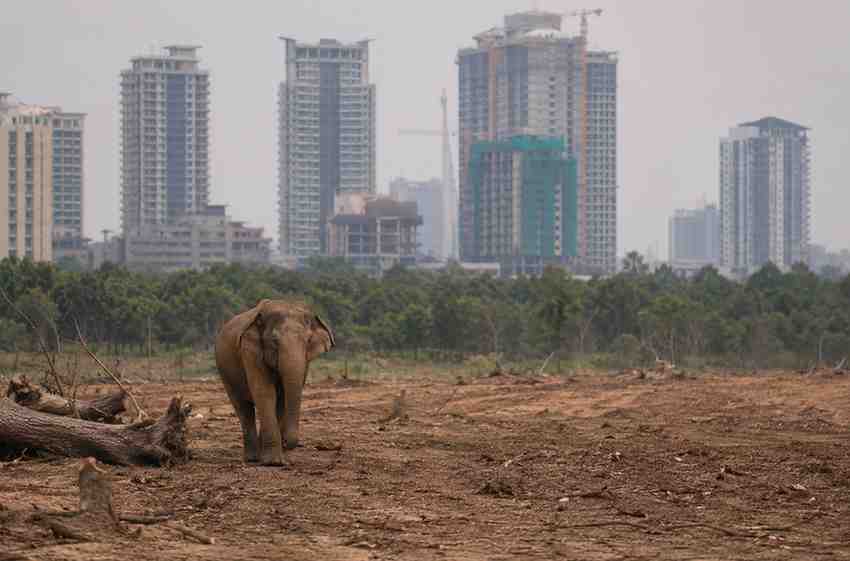
Advent
internationally, forests are being cleared, cities are expanding, and infrastructure tasks are reaching once-far off landscapes. whilst those tendencies aid monetary growth and human wishes, additionally they create increasing pressure on wildlife and natural ecosystems. the relationship between human growth and wildlife conservation has end up one of the maximum vital environmental troubles of the 21st century.
As populations grow and call for for housing, transportation, food, and electricity rises, herbal habitats keep to cut back. Many species now face challenges that did not exist a century ago, including habitat fragmentation, pollution, climate trade, and direct conflicts with human beings. at the equal time, scientists, conservationists, governments, and communities are operating to locate solutions that permit both humans and wildlife to thrive.
knowledge the key demanding situations shaping nature’s future is vital for creating a sustainable international. this newsletter explores the causes of flora and fauna decline, the effect of human expansion, and the strategies which could assist protect biodiversity for destiny generations.
Information Human Growth and Its Effect on Nature
Human expansion refers to the increase of towns, cities, agriculture, industries, and transportation networks into natural environments. even as development regularly improves residing standards, it is able to also disrupt ecosystems that wildlife rely upon for survival.
Natural Habitats Offer Animals With:
meals sources
shelter
Breeding grounds
Migration routes
safety from predators
whilst those habitats are altered or destroyed, wildlife populations frequently decline. some species adapt to changing situations, but many struggle to live on in closely changed landscapes.
The undertaking lies in balancing human improvement with environmental safety.
Habitat Loss: the most important risk to natural world
Why Habitat Loss Subjects
Habitat loss happens when natural environments are transformed for human use. Forests become farmland, wetlands are drained for production, and grasslands are converted into urban regions.
with out appropriate habitats, animals lose get admission to to essential resources needed for survival.
Examples of Habitat Destruction
around the sector, habitat loss occurs thru:
urban improvement
Agricultural expansion
Mining operations
street production
business projects
Deforestation
for instance, tropical forests include a number of the richest biodiversity in the world. while those forests are cleared, lots of plant and animal species lose their houses.
Lengthy-Time Period Effects
Habitat loss can cause:
populace decline
reduced genetic variety
multiplied extinction chance
Disrupted food chains
ecosystem instability
Even species that live on initial habitat destruction frequently face lengthy-term challenges due to fragmented landscapes.
Habitat Fragmentation and Isolated Natural World Populations
What Is Habitat Fragmentation?
Habitat fragmentation occurs whilst huge natural regions are divided into smaller, remoted patches by means of roads, railways, cities, or agricultural land.
instead of residing in one related surroundings, wildlife will become separated into remoted agencies.
Why Fragmentation Is Risky
Small, isolated populations frequently revel in:
constrained breeding possibilities
decreased genetic range
higher vulnerability to disease
improved competition for assets
For migratory animals, fragmentation can block traditional movement routes that have existed for centuries.
Actual-World Examples
Many huge mammals require large territories to find food and associates. when highways and urban traits divide habitats, animal movements end up constrained, growing the threat of populace decline.
flora and fauna corridors and ecological bridges are more and more getting used to reconnect fragmented habitats and assist species motion.
Human-Wildlife Conflict Is Growing
Why Conflicts Arise
As human settlements amplify into natural habitats, encounters between humans and wildlife come to be extra common.
Animals may additionally input farms, villages, or cities searching for meals and water.
Common Conflicts Consist Of:
Crop harm
cattle attacks
belongings destruction
Human injuries
natural world fatalities
The Developing Mission
Many species are compelled closer to human communities due to the fact their natural habitats have gotten smaller.
as an instance:
Elephants may additionally raid plants.
Predators can also assault livestock.
Monkeys may forage in urban areas.
Bears may additionally enter residential neighborhoods.
Finding Balanced Answers
successful conflict management frequently includes:
better land-use planning
wildlife-friendly fencing
repayment applications for farmers
community schooling
Habitat recovery
these approaches reduce tensions while protective both human beings and natural world.
Climate Exchange Provides New Pressure
A International Threat
weather exchange is altering ecosystems worldwide. rising temperatures, changing rainfall styles, droughts, floods, and intense climate events are affecting flora and fauna habitats.
Species tailored to unique environmental situations may battle to continue to exist as those situations alternate.
Consequences on Natural World
climate alternate can purpose:
Habitat shifts
meals shortages
changes in migration timing
accelerated sickness unfold
Coral reef degradation
some species are shifting towards cooler regions or higher elevations. Others may also have nowhere appropriate to relocate.
Combined Effect With Human Enlargement
climate trade turns into even greater risky whilst blended with habitat loss. Animals already confined by way of improvement can be unable to transport to new areas as environmental situations alternate.
This creates a massive task for destiny conservation efforts.
Pollution and Environmental Degradation
The Hidden Threat
pollutants affects flora and fauna in approaches which can be often less seen than habitat destruction but similarly unfavorable.
Foremost Pollution Resources Include:
Plastic waste
commercial chemicals
Agricultural runoff
Oil spills
Air pollution
Plastic Pollution
tens of millions of heaps of plastic enter herbal environments each year. wildlife can end up entangled in plastic particles or mistakenly devour it.
this will bring about:
damage
starvation
decreased duplicate
death
Water Pollution
Rivers, lakes, and oceans are more and more stricken by pollution that regulate water first-class and harm aquatic ecosystems.
Fish, amphibians, birds, and marine mammals are mainly at risk of infected habitats.
Infrastructure Improvement and Natural World Movement
Expanding Transportation Networks
Roads, railways, airports, and energy infrastructure are crucial for present day societies. however, they can create huge boundaries for natural world.
Animals crossing transportation routes face:
vehicle collisions
Noise disturbance
Habitat fragmentation
restrained migration
Wildlife Street Mortality
Roadkill is a prime conservation difficulty in lots of regions. countless animals die annually at the same time as trying to cross highways and roads.
Species Affected Include:
Deer
Amphibians
Reptiles
massive predators
Small mammals
Innovative Solutions
many nations are making an investment in:
wildlife overpasses
Underpasses
inexperienced bridges
clever fencing structures
those structures assist animals move correctly between habitats whilst decreasing collisions.
Biodiversity Loss and Atmosphere Decline
Why Biodiversity Matters
Biodiversity refers to the sort of residing organisms within ecosystems. wholesome ecosystems rely on interactions among plants, animals, fungi, and microorganisms.
each species plays a position.
The Price of Losing Species
whilst biodiversity declines, ecosystems come to be less resilient.
ability consequences encompass:
decreased pollination
terrible soil fitness
multiplied pest outbreaks
lower food protection
decreased atmosphere offerings
The lack of even a unmarried species can trigger results at some stage in an entire environment.
Nature’s Monetary Value
wholesome ecosystems offer blessings worth billions of greenbacks yearly via:
smooth water
Air purification
Flood protection
Carbon storage
Agriculture support
shielding biodiversity is not most effective an environmental intention but additionally an financial necessity.
Conservation Efforts Imparting Wish
Covered Regions
national parks, wildlife reserves, and marine covered areas remain many of the only conservation gear.
protected regions assist:
maintain habitats
aid endangered species
maintain ecosystem features
reduce human disturbance
Community-Primarily Based Conservation
local communities often play a essential position in conservation achievement.
while citizens advantage from protective herbal sources, conservation efforts emerge as more sustainable.
Examples encompass:
Ecotourism applications
network-controlled forests
wildlife tracking initiatives
Sustainable agriculture tasks
Scientific Innovation
generation is transforming natural world conservation.
modern-day tools encompass:
satellite monitoring
Drone tracking
digicam traps
artificial intelligence
Environmental DNA analysis
those technologies assist researchers recognize wildlife populations and reply greater efficaciously to conservation challenges.
Building Sustainable Cities for Flora and Fauna
City Areas Can Support Nature
cities do no longer ought to be enemies of flora and fauna. With considerate making plans, urban environments can help biodiversity.
flora and fauna-pleasant towns might also include:
urban forests
green roofs
native plant gardens
Wetland recuperation
Pollinator habitats
Benefits for People and Nature
Nature-rich cities offer:
cleaner air
reduced warmness
improved intellectual fitness
greater biodiversity
more advantageous pleasant of existence
urban conservation demonstrates that development and nature safety can coexist.
The Role of Individuals in Protecting Flora and Fauna
Small Movements Matter
Governments and groups play major roles in conservation, however people also can make a distinction.
Sensible Moves Consist Of:
lowering plastic use
preserving water
supporting sustainable products
Planting native vegetation
taking part in conservation applications
Respecting wildlife habitats
Instructing Destiny Generations
Environmental consciousness encourages accountable decision-making and lengthy-time period conservation help.
while humans apprehend the significance of biodiversity, they’re more likely to guide policies and practices that defend nature.
Future Challenges and Possibilities
The future of wildlife will depend largely on alternatives made nowadays. Human populations are anticipated to maintain growing, growing call for for assets and land.
Key Priorities Transferring Ahead Include:
shielding final herbal habitats
Restoring degraded ecosystems
increasing wildlife corridors
lowering pollution
Addressing climate exchange
selling sustainable development
success will require collaboration amongst governments, scientists, corporations, communities, and individuals.
The task is tremendous, however so is the opportunity to create a future in which financial development and biodiversity conservation work collectively instead of compete.
Conclusion
The war among natural world and human growth is one of the defining environmental troubles of our time. Habitat loss, fragmentation, pollution, climate change, and growing human-flora and fauna war hold to threaten countless species across the globe. but there’s additionally motive for optimism.
Advances in conservation science, sustainable urban making plans, habitat recovery, and community engagement reveal that answers are feasible. defensive wildlife does now not suggest preventing human development. instead, it way designing development in ways that admire and preserve the natural systems that guide all life.
Nature’s destiny may be formed via the decisions societies make these days. by means of prioritizing biodiversity conservation alongside accountable growth, humanity can assist make sure that future generations inherit a international wealthy in flora and fauna, healthy ecosystems, and thriving herbal landscapes.
Frequently Requested Questions (FAQ)
1. What Is The Most Important Risk To Wildlife Nowadays?
Habitat loss as a result of city improvement, agriculture, and deforestation is broadly considered the biggest risk to natural world international.
2. How Does Human Enlargement Have An Effect On Biodiversity?
Human expansion destroys and fragments habitats, will increase pollution, and creates barriers that make it difficult for flora and fauna to live to tell the tale and reproduce.
3. What’s Human-Flora And Fauna War?
Human-natural world battle occurs while interactions between human beings and animals lead to poor consequences, consisting of crop damage, farm animals loss, or threats to human protection.
4. Can Towns Help Natural World Conservation?
yes. cities can support biodiversity via green spaces, local plants, flora and fauna corridors, and sustainable city making plans practices.
5. How Can Individuals Help Shield Flora And Fauna?
people can reduce waste, aid sustainable products, conserve sources, take part in conservation efforts, and sell environmental schooling within their communities.