
Introduction
Landing your first job is exciting. It marks the beginning of financial independence, career growth, and adult responsibility. But between signing the offer letter and receiving that first paycheck, many new employees face an unexpected challenge: start-up costs.
Your first month of work often costs more money than you expect. Transportation, work clothes, meals, office supplies, and even bank setup fees can add up quickly. At the same time, you may still be waiting two to four weeks for your first salary payment.
That is why having a first-job checklist is so important. Preparing early can reduce stress, help you avoid debt, and make your transition into working life much smoother.
In this guide, you will learn about the real costs of starting a new job, what tasks to complete before payday, and how to manage your money wisely from day one.
Why the First Paycheck Takes Longer Than Expected
Many first-time employees assume they will get paid within a few days of starting work. In reality, most companies pay workers on a schedule, such as every two weeks or once a month.
For example:
- If payroll closes on the 10th of the month and you start on the 11th, you may wait several weeks before getting paid.
- Some employers hold back one pay period for processing.
- Direct deposit setup may also take extra time.
This delay catches many people off guard. Knowing this in advance allows you to prepare financially before your first day.
Understanding First-Job Start-Up Costs
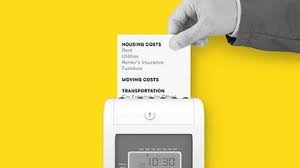
Before your first paycheck arrives, you may need to spend money on several essentials. These are known as start-up costs.
Transportation Expenses
Getting to work every day can become expensive quickly.
Common transportation costs include:
- Fuel for your car or motorcycle
- Bus or train passes
- Ride-sharing services
- Parking fees
- Vehicle maintenance
Real-world example
A new employee commuting 20 miles daily might spend:
- $80–$150 monthly on fuel
- $40–$100 on parking
- Extra money on car servicing
Public transport users may still need weekly passes before their salary arrives.
Smart tip
Calculate your monthly commute cost before accepting a job offer. A higher salary may not help if transportation costs are extremely high.
Work Clothing and Appearance
Many jobs require professional clothing or uniforms.
You may need:
- Formal shirts or trousers
- Comfortable work shoes
- Grooming products
- Dry cleaning services
- Safety gear
Real-world example
An office worker may spend:
- $100–$300 on professional clothes
- $50–$120 on shoes
- Additional costs for grooming or tailoring
If your workplace has a strict dress code, prepare early to avoid last-minute spending.
Meals and Daily Living Costs
Eating at work can become one of the biggest hidden expenses.
Daily costs may include:
- Coffee
- Lunch
- Snacks
- Water bottles
Buying lunch every workday can cost hundreds of dollars each month.
Budget-friendly idea
Packing meals from home can cut food expenses by more than half. Preparing simple lunches in advance saves both time and money.
Technology and Equipment
Some jobs require employees to provide their own equipment.
Possible expenses include:
- A laptop
- Internet upgrades
- Headphones
- Mobile phone plans
- Software subscriptions
Remote workers especially may face setup costs before receiving income.
Important reminder
Ask your employer which tools they provide and which ones you must purchase yourself.
Emergency Expenses
Unexpected problems can happen during your first month.
Examples include:
- Car repairs
- Medical bills
- Lost transportation cards
- Family emergencies
Without savings, even small problems can create major stress.
That is why building a small emergency fund before starting work is extremely helpful.
The Ultimate First-Job Checklist
Now let’s look at the essential things to do before your first paycheck arrives.
Create a Starter Budget
Your first budget does not need to be complicated.
Focus on:
- Transportation
- Food
- Phone bills
- Rent or housing
- Work clothes
- Savings
A simple budgeting method
Try the 50/30/20 rule:
- 50% for needs
- 30% for wants
- 20% for savings and debt payments
Even if your income is small, budgeting early builds strong financial habits.
Open the Right Bank Account
A reliable bank account is necessary for receiving salary payments.
When choosing a bank, look for:
- Low or zero fees
- Mobile banking
- Easy ATM access
- Fast direct deposit
- Savings account options
Pro tip
Set up online banking before your first day so there are no delays in receiving your paycheck.
Understand Your Employment Documents
Many first-time workers sign documents without fully reading them.
Carefully review:
- Salary details
- Tax forms
- Work hours
- Benefits
- Vacation policies
- Overtime rules
If something is unclear, ask questions before signing.
Understanding your employment contract protects you from confusion later.
Build an Emergency Fund
Even saving a small amount can help.
Aim for:
- At least one week of expenses initially
- Then grow toward three months of expenses
Easy starting strategy
Save:
- Spare change
- Freelance income
- Gifts
- Side hustle earnings
An emergency fund reduces the chance of using high-interest debt.
Plan Your Commute
Practice your route before your first day.
Check:
- Traffic conditions
- Bus schedules
- Parking availability
- Backup transportation options
Being late during your first week creates unnecessary stress and a poor first impression.
Prepare Your Meals in Advance
Meal preparation saves both money and energy.
Simple meal prep ideas include:
- Rice and chicken bowls
- Sandwiches
- Pasta salads
- Fruit snacks
- Homemade coffee
Even preparing breakfast at home can reduce spending significantly.
Organize Important Documents
Keep all work-related documents in one safe place.
Important items include:
- Identification
- Tax documents
- Bank details
- Employment contract
- Emergency contacts
Digital copies can also be useful for quick access.
Learn About Workplace Benefits
Many employees ignore benefits during their first months.
However, benefits can save thousands of dollars over time.
Possible benefits include:
- Health insurance
- Retirement plans
- Transportation support
- Meal allowances
- Education assistance
Understanding these benefits early helps you maximize your compensation package.
Set Financial Goals Early
Your first job is the perfect time to develop healthy money habits.
Examples of financial goals:
- Paying off debt
- Saving for a car
- Building emergency savings
- Investing
- Supporting family
- Continuing education
Clear goals make spending decisions easier.
Avoid Common First-Job Financial Mistakes
Many new workers make similar money mistakes during their first year.
Overspending After the First Paycheck
Receiving your first salary feels exciting. Some people celebrate by buying expensive items immediately.
Common impulse purchases include:
- Phones
- Clothes
- Gaming systems
- Dining out
- Luxury items
Celebrating is fine, but spending your entire paycheck can create financial problems quickly.
Ignoring Taxes
Your actual take-home pay may be lower than expected due to taxes and deductions.
Always calculate:
- Net income
- Tax deductions
- Insurance costs
- Retirement contributions
Understanding your paycheck prevents budgeting surprises.
Depending on Credit Cards
Some people rely heavily on credit cards before their first paycheck arrives.
While credit cards can help temporarily, high-interest debt grows fast.
Use credit carefully and only for necessary expenses.
Not Tracking Spending
Small purchases add up quickly.
For example:
- $5 coffee daily
- Frequent food delivery
- Extra transport costs
Tracking spending helps you understand where your money goes.
Free budgeting apps can simplify this process.
Smart Ways to Survive Until Payday
If money feels tight before your first paycheck, these strategies can help.
Reduce Non-Essential Spending
Temporarily avoid:
- Streaming subscriptions
- Unnecessary shopping
- Expensive dining
- Entertainment spending
Short-term sacrifices can reduce financial pressure.
Use Community Resources
Some workplaces or communities offer:
- Transportation assistance
- Employee meal programs
- Financial counseling
- Discount programs
Do not hesitate to ask what support is available.
Consider a Small Side Income
Short-term side work may help bridge the gap before payday.
Examples include:
- Freelancing
- Tutoring
- Food delivery
- Selling unused items
Even small extra income can cover transportation or meal costs.
How Your First Job Shapes Your Financial Future
Your first job teaches more than work skills. It also shapes your relationship with money.
Developing healthy habits early can help you:
- Avoid debt
- Build savings faster
- Improve financial confidence
- Reduce stress
- Prepare for future goals
People who learn budgeting and saving early often experience greater financial stability later in life.
Your first paycheck is not just income. It is the beginning of your financial journey.
Building Professional Habits Before Payday
Financial preparation matters, but professional preparation is equally important.
Arrive Early
Being punctual builds trust immediately.
Aim to arrive:
- 10–15 minutes early
- Fully prepared
- Calm and organized
Communicate Professionally
Good communication improves workplace relationships.
Remember to:
- Respond politely
- Ask clear questions
- Follow instructions carefully
- Stay respectful
Strong communication skills often matter as much as technical skills.
Stay Organized
Use tools like:
- Calendars
- Task apps
- Notes
- Reminders
Organization reduces stress and improves productivity.
Final Thoughts
Starting your first job is a major life milestone. While the excitement of earning money is real, many people underestimate the costs and responsibilities that come before the first paycheck arrives.
Preparing for transportation, clothing, meals, paperwork, and budgeting can make your transition into working life much smoother. Small financial decisions made early can have long-term benefits for your future.
The key is simple: plan ahead, spend wisely, and build healthy habits from the beginning.
Your first job is not just about earning money. It is about learning how to manage it responsibly and confidently.
FAQ
How much money should I save before starting my first job?
Ideally, save enough to cover at least two to four weeks of transportation, meals, and basic expenses before your first paycheck arrives.
What are the biggest hidden costs of a first job?
Transportation, work clothing, lunches, and technology are some of the most common hidden expenses new employees face.
Should I use a credit card before my first paycheck?
Only if necessary. Avoid building high-interest debt for non-essential purchases.
How can I budget my first paycheck wisely?
Focus first on essentials like rent, food, transportation, and savings before spending on entertainment or luxury items.
Why is an emergency fund important for new workers?
Unexpected expenses can happen anytime. An emergency fund prevents financial stress and reduces dependence on loans or credit cards.